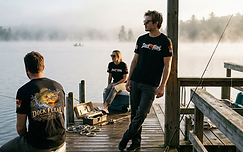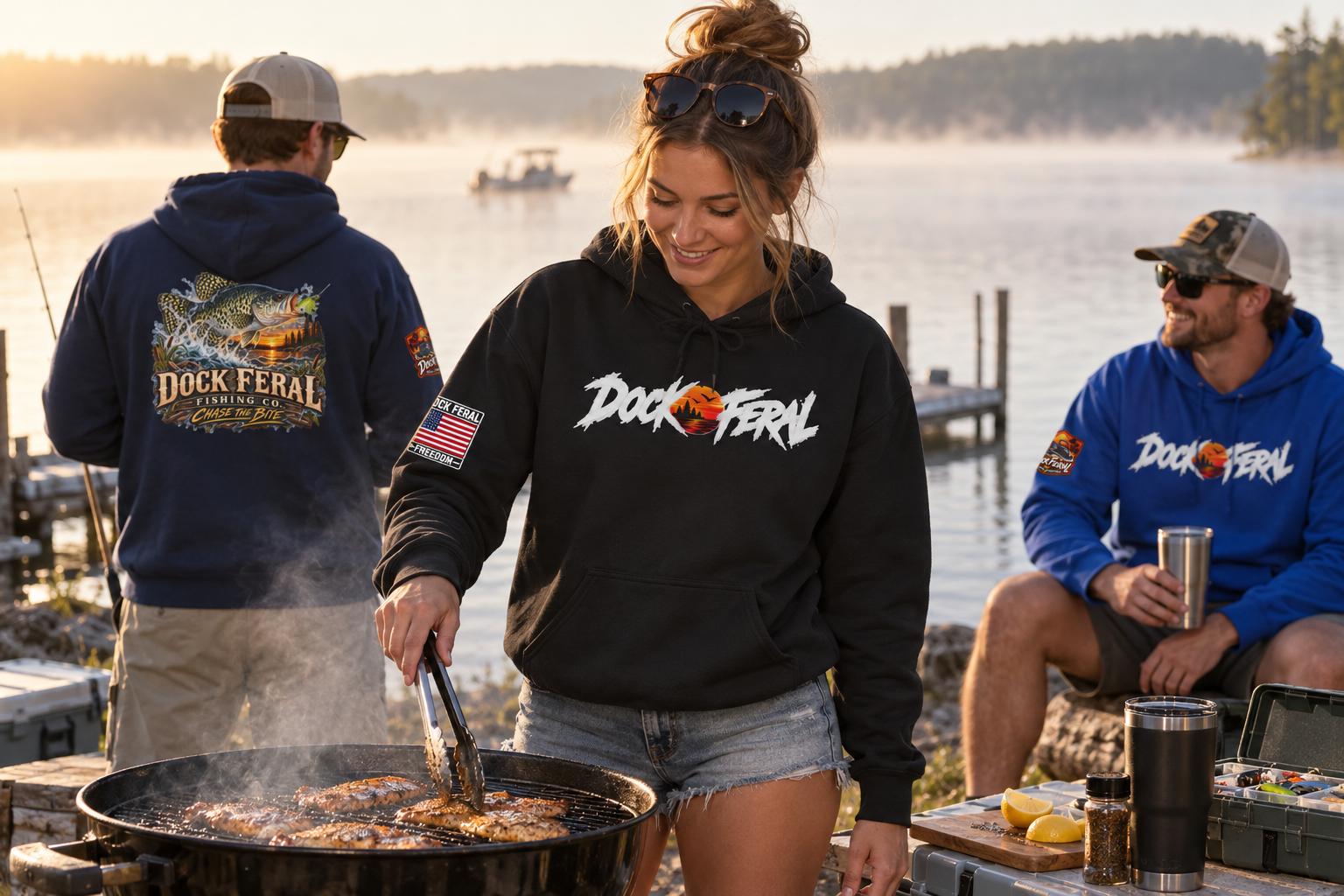
Nobody buys a boat because they wanted another sensible financial decision. We buy them to get away from the desk, find some peace, and hopefully put a few fish in the cooler. If you are tired of staring at a bobber and want to actually cover some ground, trolling for walleye is your best bet. It is efficient, it is effective, and it is the best way to turn a slow day on the water into a productive one. Before you head out, make sure you are dressed for the occasion by checking out our fishing collection.
The Golden Rule of Speed
If you ask ten different anglers what the perfect trolling speed is, you will get twelve different answers. Start your day at 2 mph. It is the universal baseline for a reason. Early in the season, when the water is still cold, you might need to slow it down to 1.0 or 1.5 mph. As the summer heat kicks in and the metabolism of the fish spikes, do not be afraid to push it up to 2.5 or even 3 mph. The key is to never get stuck in a rut. If you are not getting bites, change your speed. Sometimes a sudden burst of acceleration or a sharp turn is exactly what it takes to trigger a strike from a following fish. Higher speeds, especially above 2.2 mph, also help weed out the trash fish like white perch or sheepshead, leaving the walleye to commit to your presentation.
Setting Up Your Spread
When you are running multiple lines, the goal is to cover as much water as possible without turning your fishing line into a bird's nest. For a standard setup, use your longer rods out the sides of the boat and keep your shorter rods toward the back. If you are just starting out, keep it simple with two or four rods. Once you get comfortable, you can look into inline planer boards to spread your lines further out from the boat. Just remember that when you are pulling a full spread, your turning radius is about as graceful as a barge. Plan your turns well in advance or you will be spending your afternoon untangling monofilament instead of fishing. If you are unsure about your depth, use flat lines to verify your tracking before deploying the boards.
Gear That Actually Works
You do not need to spend a fortune to get started, but you do need gear that holds up. A 7-foot 6-inch to 8-foot 6-inch medium-action rod paired with a reliable line-counter reel is the workhorse of any walleye boat. The line counter is non-negotiable if you want to repeat your success. If you find a depth that works, you need to be able to put your lure back in that exact same spot. For line, 10-pound monofilament is the standard starting point because it has enough stretch to cushion the strike of a walleye. If you are looking to get deeper, lead core line is a game changer, but it requires a bit more practice to master. For more tips on keeping your rig in top shape, head over to our boat maintenance section.
Reading the Water
Walleye are notorious for hanging out near the bottom. Your goal is to have your lure ticking the bottom occasionally. If you are using bottom bouncers with crawler harnesses, you want that weight to drag along the floor while the blade flashes just above it. If you are running crankbaits, adjust your lead length until you feel that telltale bump against the rocks or sand. If the fish are neutral, try a slow-death rig with a #2 Aberdeen hook to create a circular wobble that walleye find impossible to ignore. Once you find the school, you can either keep trolling or, if the bite is hot enough, slow down and switch to vertical jigging. It is all about reading the mood of the fish and being willing to adapt. For more inspiration on where to take your boat next, check out our boating destinations guide.
Ready To Find Your Boat?
Our local boating partner, Munson Ski & Marine, is minutes from the Chain O’ Lakes. Explore fishing and center console boats for sale or see boat dealership in Northern Illinois. The Walworth, WI showroom is a short drive from Lake Geneva boaters.